
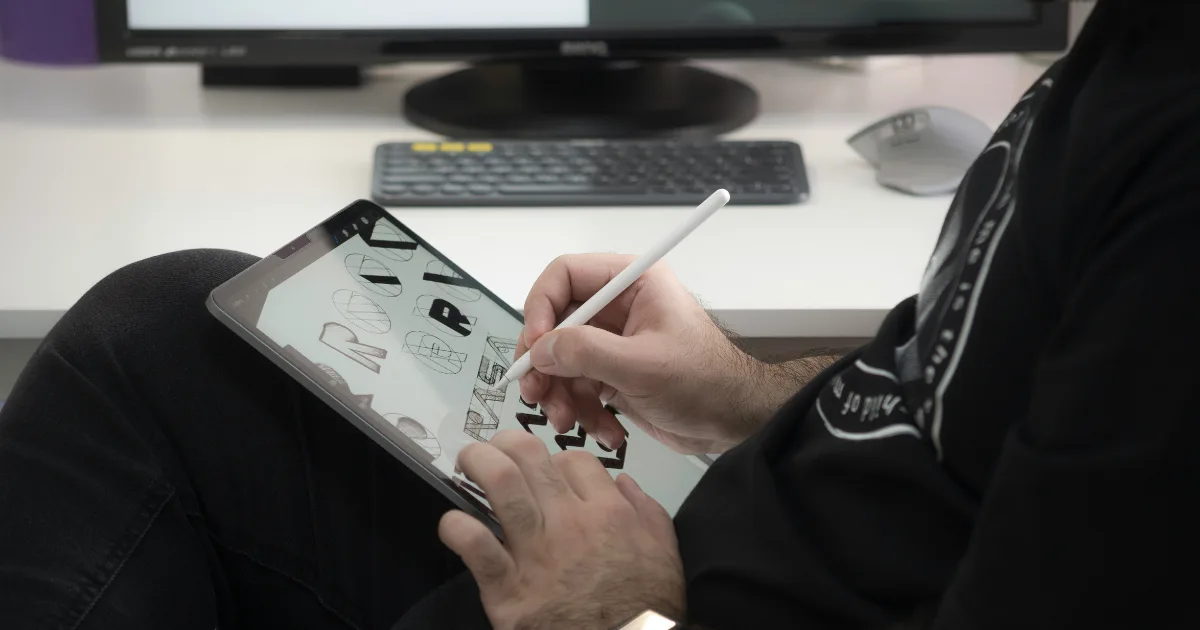

Having good projects is not always enough. In design, how you present your work often matters more than the work itself. A strong portfolio is not just a collection of visuals, it's a strategic story that shows how you think, how you approach problems, and how you create value. When someone lands on your portfolio, they shouldn’t just see nice designs, they should understand your thinking without needing extra explanation. That’s the difference between work that gets ignored and work that gets remembered.
What Makes a Project Portfolio-Worthy
Not every project deserves a place in your portfolio and that’s actually a good thing. The goal isn’t to show everything, it’s to show the right things. Strong portfolio projects usually have a clear purpose, a thoughtful process behind them, and a strong final outcome. But more importantly, they show how you think, not just what you made.
Even personal or fictional projects can stand out if they’re done with intention. Clients and companies aren’t just looking for experience, they’re looking for decision-making. They want to see how you approach a problem, how you structure your work, and how you arrive at a solution. That’s what makes a project worth showing.
Start With Context, Not Just Aesthetics
One of the most common mistakes is jumping straight into visuals. It might look good, but without context, it doesn’t mean much. People don’t know what they’re looking at or why it matters.
Instead, start by setting the scene. Explain what the project is, what problem you were solving, and what the goal was. Keep it simple and direct. You’re not writing an essay, you’re giving just enough information to make the work make sense. This shift alone turns your project from something that looks good into something that feels intentional.
Show the Process to Demonstrate Your Thinking
Your process is what separates you from everyone else. Anyone can show a polished final result, but very few show how they got there. That’s where the real value is.
Include parts of your process that actually add to the story, like sketches, moodboards, references, or different iterations. You don’t need to show everything, just the parts that help someone understand your thinking. When people can see how your ideas evolved, it builds trust. It shows that your work isn’t random, it’s structured.
This is also why more designers are starting to use structured systems to organize their workflow. Instead of working randomly, they break projects into clear steps and build them like a system. Platforms like VirtuPath AI are built around that idea helping you turn messy ideas into structured execution.
Focus on Strong Visual Presentation
Presentation isn’t something you do at the end, it’s part of the project itself. The way you display your work can either elevate it or completely weaken it.
Keep your layouts clean, use clear visual hierarchy, and don’t overload the viewer with unnecessary elements. Mockups should add context, not just decoration. Everything you include should have a reason.
Also, think about where your work is being shown. A detailed platform like Behance allows for deeper storytelling, while a portfolio website should feel more refined and straight to the point. Social media is different again, fast and visual. Adjusting your presentation based on the platform makes a big difference.
Clearly Explain the Outcome and Impact
Every project needs a strong ending. After showing the process, you need to close the loop properly. Show the final designs clearly, include real-world applications if possible, and highlight key details that matter.
If it’s a client project, adding results, feedback, or any measurable impact makes it stronger. If it’s personal work, talk about what you learned, what decisions you made, and what the project represents in terms of your skills. The goal is simple: make your value obvious without overexplaining it.
Common Portfolio Mistakes to Avoid
A lot of portfolios don’t fail because of bad work, they fail because of poor presentation. Showing only final visuals with no explanation is one of the biggest mistakes. It removes all context and makes your work feel generic.
Adding too many repetitive images, using random mockups that don’t add meaning, or having no clear structure also weakens the overall impression. Another mistake is not thinking about who your portfolio is for. If you’re targeting a specific type of client or role, your portfolio should reflect that direction clearly.
Fixing these small things can completely change how your work is perceived.
Turn Every Project Into Personal Branding
Your portfolio is not just about showing projects, it’s about positioning yourself. Every project you include should say something about you. How you think, what you care about, and the type of work you want to attract.
If you want to work with certain industries or clients, your portfolio should naturally move in that direction. This doesn’t happen randomly, it comes from being intentional with what you include and how you present it.
Also, your portfolio shouldn’t stay static. As your skills improve, your presentation should evolve too. Keeping it updated is part of the process, not something you do once and forget.
The Bottom Line
A strong portfolio is not about showing everything you’ve done, it’s about showing it the right way. When you combine clear context, structured storytelling, a visible process, and clean presentation, your work starts to speak for itself.